


Thời điểm tốt nhất để tìm nhà ở ngoài khuôn viên trường Đại học Georgetown là từ tháng 4 đến tháng 6 cho kỳ nhập học mùa thu. Điều này đảm bảo bạn có nhiều lựa chọn tốt nhất về căn hộ dành cho sinh viên tại Washington, DC.
Đăng nhập
Trở thành Đối tác
ngôn ngữ
中文
English
繁體中文(中國香港)
繁體中文(中國台灣)
Tiếng Việt
ไทย
日本語
한국어
Español
Deutsch
Français
Italiano
Liên hệ
Tìm nhà sinh viên nhanh hơn trong ứng dụng
Khám phá tin đăng đã xác minh, tour live & VR và hỗ trợ đặt phòng trong một nơi.
Quét mã QR để tải ứng dụng
 Có trên iOS và Android
 Tin đăng đã xác minh
 Cam kết giá tốt
 Hỗ trợ đa ngôn ngữ 24/7
 4,9/5 trên Trustpilot

Tiếng Việt
中文
English
繁體中文(中國香港)
繁體中文(中國台灣)
Tiếng Việt
ไทย
日本語
한국어
Español
Deutsch
Français
Italiano
Hiển thị trên bản đồ
uhomesAI

Lọc
Xóa bộ lọc
Lọc
Nhà ở học sinh gần Đại học Georgetown
Đã tìm thấy 314 bất động sản
Bạn đang tìm kiếm căn hộ ngoài khuôn viên trường hoàn hảo gần Đại học Georgetown? uhomes.com cung cấp nhiều lựa chọn nhà ở sinh viên đã được xác minh tại Washington DC, từ căn hộ studio đến căn hộ 1 phòng ngủ - 4 phòng ngủ. Danh sách của chúng tôi có các tiện nghi hiện đại và dễ dàng tiếp cận các tuyến xe đưa đón GUTS, mang đến trải nghiệm đại học thoải mái. Tại uhomes.com, bạn có thể tận hưởng cuộc sống không rắc rối với 0 phí dịch vụ, và được hưởng lợi từ khoản hoàn tiền lên đến 500 đô la cùng các phần thưởng giới thiệu hấp dẫn. Hãy bắt đầu tìm kiếm chỗ ở lý tưởng gần Đại học Georgetown ngay hôm nay và chuyển đến DC!
Đọc thêm!
Sắp xếp theo:
Lưới
Danh sách

Balsa
1313 L Street Northwest, Washington D.C., District of Columbia 20005
3.85 km đi bộ từ Đại học Georgetown
29 PHÚT
13 PHÚT
20 PHÚT
46 PHÚT
Từ US$2,152
US$2,150/tháng
Yêu cầu

The george DC
2601 Virginia Avenue Northwest, Washington D.C., District of Columbia 20037
2.06 km đi bộ từ Đại học Georgetown
32 PHÚT
10 PHÚT
11 PHÚT
25 PHÚT
Đã lưu 2 lần trong 30 ngày
4.6(4)
Từ
US$2,195/tháng
Yêu cầu
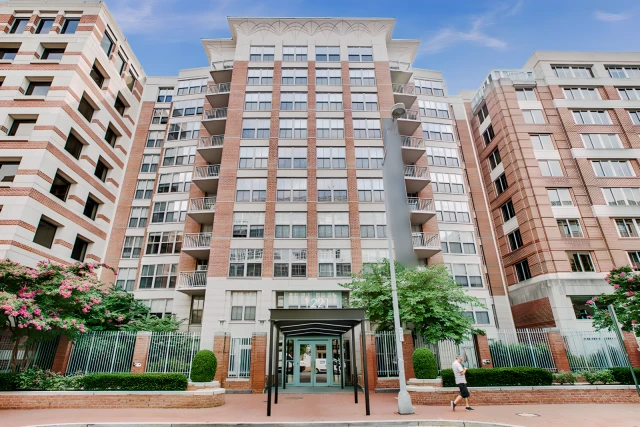
West End Residences
1221 24th Street Northwest, Washington D.C., District of Columbia 20037
2.17 km đi bộ từ Đại học Georgetown
22 PHÚT
8 PHÚT
11 PHÚT
26 PHÚT
Từ US$2,920
US$2,916/tháng
Yêu cầu

The Kiley
600 4th Street Southwest, Washington D.C., District of Columbia 20024
6.61 km đi bộ từ Đại học Georgetown
57 PHÚT
20 PHÚT
30 PHÚT
79 PHÚT
4.7(17)
Từ US$1,822
US$1,818/tháng
Yêu cầu
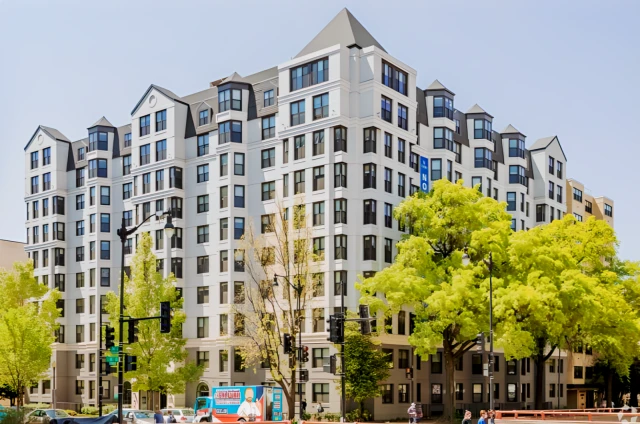
The Haven on K
950 24th Street Northwest, Washington D.C., District of Columbia 20037
2.14 km đi bộ từ Đại học Georgetown
21 PHÚT
7 PHÚT
9 PHÚT
26 PHÚT
3.4(6)
Từ US$2,277
US$2,273/tháng
Yêu cầu
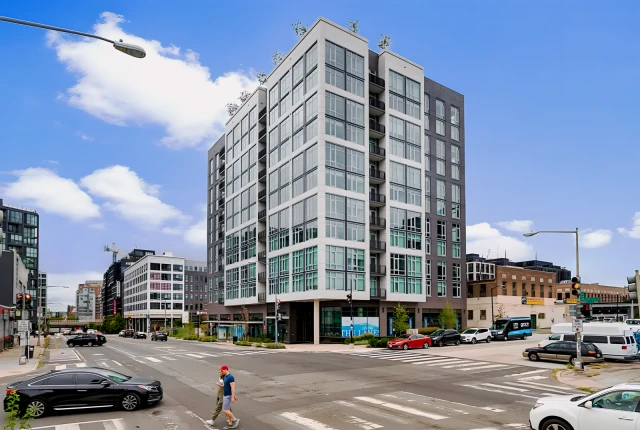
The Lanes At Union Market
400 Florida Avenue Northeast, Washington D.C., District of Columbia 20002
6.54 km đi bộ từ Đại học Georgetown
50 PHÚT
20 PHÚT
32 PHÚT
78 PHÚT
Đã lưu 1 lần trong 30 ngày
Từ US$1,250
US$1,246/tháng
Yêu cầu
Valo Apartments
222 M Street Southwest, Washington D.C., District of Columbia 20024
6.95 km đi bộ từ Đại học Georgetown
55 PHÚT
15 PHÚT
32 PHÚT
83 PHÚT
Đã lưu 2 lần trong 30 ngày
Từ US$1,974
US$1,972/tháng
Yêu cầu
Colette
2099 1st S 1st Street Southwest, Washington D.C., District of Columbia 20024
8.33 km đi bộ từ Đại học Georgetown
85 PHÚT
19 PHÚT
35 PHÚT
100 PHÚT
Từ
US$1,199/tháng
Yêu cầu
Tilden Hall Apartments
3945 Connecticut Avenue Northwest, Washington D.C., District of Columbia 20008
4.86 km đi bộ từ Đại học Georgetown
48 PHÚT
13 PHÚT
21 PHÚT
58 PHÚT
Đã lưu 1 lần trong 30 ngày
5.0(2)
Từ
US$1,650/tháng
Yêu cầu
Lex and Leo at Waterfront Station
1150 4th Street Southwest, Washington D.C., District of Columbia 20024
6.76 km đi bộ từ Đại học Georgetown
46 PHÚT
20 PHÚT
30 PHÚT
81 PHÚT
5.0(1)
Từ US$1,855
US$1,853/tháng
Yêu cầu
The Axis
318 I St NE, Washington D.C., District of Columbia 20002
6.6 km đi bộ từ Đại học Georgetown
48 PHÚT
19 PHÚT
32 PHÚT
79 PHÚT
Đã lưu 3 lần trong 30 ngày
5.0(1)
Từ US$1,816
US$1,814/tháng
Yêu cầu
3333 Wisconsin
3333 Wisconsin Avenue, Washington D.C., District of Columbia 20016
2.95 km từ Đại học Georgetown (đường chim bay)
26 PHÚT
15 PHÚT
Từ
US$1,930/tháng
Yêu cầu
Nhà ở học sinh gần Đại học Georgetown
Căn hộ gần Đại học Georgetown
Việc tìm kiếm căn hộ lý tưởng gần Đại học Georgetown tại Washington DC đầy cạnh tranh có thể là một thách thức đối với sinh viên. Đại học Georgetown (GU) nằm trong khu phố lịch sử Georgetown. Do vị trí đắc địa trong khu vực lịch sử được bảo vệ và các lựa chọn nhà ở trong khuôn viên trường có hạn, hầu hết sinh viên năm cuối đại học và sau đại học đều tích cực tìm kiếm nhà ở ngoài khuôn viên trường gần Đại học Georgetown.
Tại sao nên chọn uhomes.com để tìm chỗ ở tại Đại học Georgetown?
Tại uhomes.com, chúng tôi hiểu những nhu cầu riêng biệt của sinh viên tìm kiếm chỗ ở tại Washington DC , đặc biệt là sinh viên Đại học Georgetown. Chúng tôi cung cấp nhiều lựa chọn căn hộ đã được kiểm định gần Đại học Georgetown, được thiết kế để giúp quá trình chuyển tiếp của bạn diễn ra suôn sẻ và kỳ nghỉ của bạn thoải mái.
- Lựa chọn đa dạng : Khám phá nhiều loại căn hộ dành cho sinh viên, bao gồm căn hộ studio, 1 phòng ngủ, 2 phòng ngủ, 3 phòng ngủ và 4 phòng ngủ , đáp ứng các sở thích và ngân sách khác nhau.
- Sự tự tin về hình ảnh : Tất cả các tin đăng của chúng tôi đều có hình ảnh độ phân giải cao và video tham quan sống động. Điều này cho phép sinh viên quốc tế, những người có thể không có cơ hội xem phòng trực tiếp, lựa chọn được ngôi nhà lý tưởng một cách hiệu quả và hoàn toàn tự tin.
- Cuộc sống hiện đại : Mặc dù vẻ đẹp lịch sử của Georgetown là điều không thể phủ nhận, nhưng các bất động sản cũ có thể thiếu những tiện nghi hiện đại. uhomes.com ưu tiên các căn hộ được trang bị nội thất hiện đại gần Đại học Georgetown. Nhiều căn hộ được trang bị các tiện nghi thiết yếu như máy giặt trong phòng, điều hòa trung tâm, phòng tập thể dục hiện đại và an ninh 24/7 , đảm bảo trải nghiệm sống thoải mái và an toàn.
- Thuận tiện di chuyển đến GUTS : Nhiều căn hộ của chúng tôi gần Đại học Georgetown có vị trí chiến lược, chỉ cách các điểm dừng GUTS (Xe đưa đón của Đại học Georgetown) một quãng đi bộ ngắn hoặc một chuyến xe ngắn. Điều này đảm bảo việc đi lại đến trường thuận tiện và hiệu quả, giúp bạn tiết kiệm thời gian quý báu.
- Dịch vụ chu đáo : uhomes.com cung cấp các cố vấn chuyên nghiệp tư vấn trực tiếp giúp bạn tìm được nhà ở phù hợp và những người bạn cùng phòng có cùng chí hướng, nhờ đó bạn có thể nhanh chóng hòa nhập vào cộng đồng sinh viên địa phương.
- Tối đa hóa khoản tiết kiệm của bạn : Với uhomes.com, bạn được trải nghiệm giá cả minh bạch và không mất phí dịch vụ . Tận hưởng phần thưởng tài chính với khoản hoàn tiền lên đến 500 đô la cho các đặt phòng đủ điều kiện. Thêm vào đó, hãy chia sẻ lợi ích với bạn bè thông qua chương trình thưởng giới thiệu của chúng tôi, giúp việc tìm kiếm ngôi nhà hoàn hảo của bạn trở nên thú vị hơn nữa.
Giới thiệu về Đại học Georgetown
Đại học Georgetown là một trường đại học nghiên cứu chuyên sâu nằm ở trung tâm Washington, DC, tọa lạc trên một ngọn đồi nhìn ra sông Potomac trong khu phố Georgetown duyên dáng và giàu lịch sử. Được thành lập từ năm 1789, GU là trường đại học Công giáo và Dòng Tên lâu đời nhất ở Hoa Kỳ . Điều thực sự làm nên sự khác biệt của trường là thế mạnh trong quan hệ quốc tế (Trường Ngoại giao gần như không có đối thủ), kinh doanh thông qua McDonough, luật và chính sách công, thu hút những sinh viên muốn tạo ra tác động thực sự trong các vấn đề toàn cầu hoặc chính phủ.
Hiện tại, Đại học Georgetown có khoảng 20.000 sinh viên đang theo học, với tỷ lệ sinh viên đại học và sau đại học cân bằng. Các chương trình đại học và các ngành khoa học nhân văn và xã hội của trường đặc biệt mạnh. Trường xếp hạng thứ 24 trong bảng xếp hạng năm 2026 của US News & World Report. Trường kinh doanh, trường luật, chính sách công và các chương trình quan hệ quốc tế của trường đều có uy tín cao trên khắp Hoa Kỳ. Tỷ lệ trúng tuyển vào Đại học Georgetown năm 2025 là 13%, khiến trường trở thành một trong những trường đại học cạnh tranh nhất tại Hoa Kỳ.
Trường đại học này đã đào tạo ra nhiều luật sư, chính trị gia và nguyên thủ quốc gia nổi tiếng, như Tổng thống Bill Clinton, Lãnh đạo phe đa số Thượng viện Dick Durbin và Thẩm phán Tòa án Tối cao Antonin Scalia. Các cựu sinh viên khác trong lĩnh vực giải trí và truyền thông bao gồm ca sĩ huyền thoại Pearl Bailey, biểu tượng điện ảnh thời kỳ đầu John Barrymore, và bình luận viên tin tức của NBC kiêm cựu Đệ nhất phu nhân California Maria Shriver.
Về đời sống sinh viên, Đại học Georgetown tự hào có hơn 475 tổ chức sinh viên, từ các nhóm thảo luận học thuật, câu lạc bộ thể thao đến các nhóm sở thích văn hóa. Sinh viên năng động nhưng cũng rất tích cực tham gia các câu lạc bộ, dự án phục vụ cộng đồng và sự nhấn mạnh của dòng Tên vào đạo đức và tinh thần "vì người khác". "Ngày hội Georgetown" được tổ chức vào mỗi mùa xuân là một trong những lễ hội truyền thống tiêu biểu nhất trong khuôn viên trường. Giảng viên và sinh viên tập trung trên bãi cỏ của trường để tham gia vào nhiều hoạt động và buổi biểu diễn ngoài trời khác nhau, thể hiện đầy đủ bầu không khí cộng đồng cởi mở, đa dạng và gắn kết của trường.
Đại học Georgetown có những dãy nhà liền kề đầy màu sắc, đường phố lát đá và lối đi bộ ven sông. Sống trong các căn hộ gần Đại học Georgetown giúp mọi việc trở nên dễ dàng hơn rất nhiều. Bạn có thể đi bộ hoặc bắt xe buýt nhanh đến lớp, đến thư viện muộn hoặc tham gia các sự kiện buổi tối mà không cần phải di chuyển xa. Môi trường sống an toàn và dễ chịu, với nhiều nhà hàng, quán cà phê và cửa hàng gần đó. Thông qua xe buýt trường học và phương tiện giao thông công cộng, sinh viên có thể nhanh chóng đến khu trung tâm thành phố Washington, nhiều bảo tàng và điểm tham quan khác nhau.
Những căn hộ tốt nhất gần Đại học Georgetown
Những căn hộ tốt nhất gần Đại học Georgetown cân bằng giữa việc học tập, làm việc và sự thoải mái trong sinh hoạt của sinh viên. uhomes.com cung cấp các lựa chọn nhà ở hàng đầu gần GU để phù hợp với nhiều sở thích khác nhau của sinh viên, bao gồm Valo, Varsity on K, The Kiley và The George DC. Hầu hết các khu nhà này đều nằm ở vị trí thuận tiện tại các khu vực như Foggy Bottom, Southwest Waterfront và Rosslyn, được phục vụ tốt bởi các tuyến xe buýt đưa đón GUTS, chỉ cách các trạm xe buýt GUTS hoặc tàu điện ngầm 3-8 phút đi bộ. Chỉ cần đi bộ một quãng ngắn, bạn sẽ tìm thấy các siêu thị như Trader Joe's hoặc Whole Foods, cũng như các nhà hàng thân thiện với sinh viên. Bên cạnh đó, các chỗ ở gần Đại học Georgetown của chúng tôi được trang bị đầy đủ nội thất và thiết bị như máy giặt và máy sấy trong nhà, giúp cuộc sống sinh viên của bạn dễ dàng hơn để bạn có thể dành nhiều thời gian hơn cho việc học tập và các cơ hội nghề nghiệp.
Nhà ở giá rẻ gần Đại học Georgetown
Tìm kiếm căn hộ giá rẻ gần Đại học Georgetown là một cách thiết thực để tận hưởng cuộc sống sinh viên mà không cần chi tiêu quá nhiều ở Washington DC. uhomes.com cung cấp nhiều lựa chọn cho thuê phù hợp với ngân sách dành cho sinh viên và những người trẻ tuổi đang đi làm. Căn hộ studio thường có giá từ 1.800 đến 2.200 đô la mỗi tháng, và căn hộ một phòng ngủ từ 2.100 đến 3.000 đô la mỗi tháng . Những lựa chọn nhà ở ngoài khuôn viên trường này đều nằm trong khoảng cách đi bộ hoặc di chuyển ngắn bằng xe buýt hoặc xe đạp đến Đại học Georgetown. Chúng cũng gần các siêu thị, nhà hàng và quán cà phê, giúp cuộc sống hàng ngày trở nên thuận tiện. Dưới đây là một số căn hộ giá cả phải chăng nhất gần Đại học Georgetown.
Những khu vực tốt nhất để tìm nhà ở ngoài khuôn viên trường Đại học Georgetown
Những khu vực tốt nhất để ở gần Đại học Georgetown bao gồm khu phố Georgetown , Burleith , Glover Park , Foxhall/Palisades và Dupont Circle . Những khu phố này cung cấp cho sinh viên Đại học Georgetown nhiều lựa chọn chỗ ở khác nhau. Dịch vụ xe đưa đón miễn phí GUTS kết nối khuôn viên chính với Rosslyn , Dupont Circle , khuôn viên Capitol và Arlington . Ngay cả khi một số căn hộ nằm hơi xa khuôn viên trường, hệ thống xe buýt và tàu điện ngầm Metrobus và Metrorail rộng khắp ở Washington, DC giúp việc đến lớp học trở nên dễ dàng. Dưới đây là thông tin chi tiết về các khu phố có căn hộ cho sinh viên Đại học Georgetown.
- Georgetown
Khu Georgetown là một khu phố lịch sử, trải dài từ cổng chính của Đại học Georgetown đến tận đường M và đại lộ Wisconsin. Bạn có thể tìm thấy những dãy nhà liền kề bằng gạch đỏ, những con đường lát đá cuội và những quán cà phê nhỏ xinh ở khắp mọi nơi. Nhiều căn hộ gần Đại học Georgetown trong khu vực này chỉ cách cổng trường từ 3 đến 10 phút đi bộ. Ngay cả khi bạn ngủ dậy muộn, bạn vẫn có thể đến lớp ngay lập tức. Chỉ cần bước ra khỏi chỗ ở, bạn sẽ tìm thấy siêu thị Trader Joe's và các cửa hàng nhỏ xinh khác. Giao lưu, gặp gỡ ăn uống và học tập đều có thể được thực hiện trong vòng bán kính năm phút ở Georgetown. Bên cạnh sinh viên năm cuối và sinh viên sau đại học, nhiều sinh viên quốc tế mới đến Mỹ cũng chọn sống ở Georgetown. Hơn nữa, giá thuê nhà ở gần Đại học Georgetown ở đây cao nhất trong khu vực, và bạn cần đặt trước những căn hộ tốt nhất vài tháng trước.
- Burleith
Burleith nằm ngay phía bắc khuôn viên Đại học Georgetown, bên ngoài khu vực bệnh viện. Khu dân cư yên tĩnh và an toàn này có những dãy nhà thấp tầng liền kề. Hầu hết các khu nhà ở ngoài khuôn viên trường gần Đại học Georgetown ở đây chỉ cách khuôn viên chính 10-15 phút đi bộ, nhưng bạn sẽ tránh được tiếng ồn của đường M. Burleith đặc biệt phù hợp với sinh viên sau đại học và sinh viên năm cuối đại học có nhiều bài đọc và bài luận. Giá thuê nhà thấp hơn một chút so với trung tâm Georgetown, và nhiều căn hộ gần Đại học Georgetown được cho thuê cho sinh viên từ 3-4 người, tạo nên một cộng đồng giống như ký túc xá ngoài khuôn viên trường.
- Công viên Glover
Glover Park là một trong những khu vực tốt nhất để tìm nhà ở giá cả phải chăng gần Đại học Georgetown. Giá thuê căn hộ GU ở đây thấp hơn đáng kể so với ở Georgetown và Burleith. Cách đó khoảng một km về phía bắc dọc theo Đại lộ Wisconsin, Glover Park cung cấp đầy đủ các tiện nghi bao gồm siêu thị, nhà hàng, quán rượu nhỏ và công viên. Nơi đây cũng có nhiều lựa chọn đi lại linh hoạt đến trường, bao gồm đi bộ 20-25 phút, đạp xe 10 phút và đi xe buýt dọc theo Đại lộ Wisconsin. Đối với sinh viên đang yêu, có gia đình hoặc những người dự định định cư lâu dài tại DC, khu vực này mang đến sự cân bằng lý tưởng giữa học tập và cuộc sống.
- Foxhall / Palisades
Trải dài về phía tây bắc dọc theo đường Reservoir, Foxhall và Palisades là những khu dân cư giàu có dành cho sinh viên Đại học Georgetown. Nơi đây có những ngôi nhà biệt lập, đường phố rộng rãi và cây xanh tươi tốt, hầu như không có khách du lịch hay trung tâm mua sắm lớn, mang đến trải nghiệm sống khác biệt so với các ký túc xá sinh viên truyền thống của Đại học Georgetown. Nằm cách khuôn viên chính khoảng 0,4–1 dặm, mất khoảng 5–10 phút đi xe đạp hoặc 15–25 phút đi bộ để đến nơi. Việc đỗ xe trên đường phố ở Foxhall và Palisades tương đối dễ dàng, rất phù hợp cho những người có ô tô.
- Vòng xoay Dupont
Khu Dupont Circle nằm cách khuôn viên trường khoảng 2 km về phía đông bắc, cung cấp nhiều căn hộ cho thuê gần Đại học Georgetown ở Washington, DC. Đây là thiên đường dành cho giới trẻ với các ga tàu điện ngầm tuyến Red Line, quán cà phê, quán bar, phòng trưng bày nghệ thuật và các hiệu sách độc lập. Sống ở Dupont Circle, bạn có thể dễ dàng đi lại đến khuôn viên trường GU. Xe đưa đón GUTS (tuyến Dupont), kết hợp với nhiều tuyến xe buýt như D1, D2, D6 và G2, giúp việc đi lại hàng ngày đến và đi từ trường trở nên vô cùng thuận tiện. Dupont Circle toát lên một không khí sôi động của cuộc sống thành thị, với cuộc sống về đêm náo nhiệt và vô số nét văn hóa đặc sắc.Khu vực này có nhiều hoạt động giải trí, đặc biệt phù hợp với sinh viên quan tâm đến nghệ thuật, chính sách công và cộng đồng thân thiện với LGBTQ+. Nó cũng gần nhiều tổ chức phi chính phủ và các tổ chức truyền thông, giúp việc tìm kiếm thực tập và tham dự các bài giảng thuận tiện hơn nhiều so với việc sống trong ký túc xá của Đại học Georgetown.
Chi phí sinh hoạt gần Đại học Georgetown
Chi phí sinh hoạt cho sinh viên tại Đại học Georgetown dao động từ 2.500 đến hơn 4.500 đô la mỗi tháng. Washington DC nổi tiếng là một trong những thành phố đắt đỏ nhất ở Hoa Kỳ, và điều này được phản ánh trong tổng chi phí sinh hoạt của sinh viên theo học tại GU. Mặc dù học phí và lệ phí khá lớn, nhưng chi phí sinh hoạt hàng ngày, đặc biệt là nhà ở, có thể chiếm một phần đáng kể trong ngân sách của sinh viên. Dưới đây là thông tin chi tiết về chi phí sinh hoạt tại Đại học Georgetown.
- Căn hộ ngoài khuôn viên trường gần Đại học George Washington : từ 1.800 đến 2.800 đô la trở lên mỗi tháng
- Thực phẩm : 500 đến 900 đô la trở lên mỗi tháng
- Chi phí đi lại : Từ 50 đến 150 đô la trở lên mỗi tháng.
- Giải trí & Hoạt động xã hội : Từ 100 đến 300 đô la trở lên mỗi tháng
- Sách và đồ dùng học tập : Từ 100 đô la trở lên mỗi tháng
Phương tiện giao thông gần Đại học Georgetown
Các phương tiện giao thông phổ biến gần Đại học Georgetown bao gồm xe buýt đưa đón miễn phí, tàu điện ngầm Metro, xe buýt, xe đạp và dịch vụ gọi xe . Mạng lưới giao thông phát triển tốt rất thuận tiện cho sinh viên ngay cả khi không có ô tô. Cho dù bạn sống trong ký túc xá của Đại học Georgetown, khu phố Georgetown, hay ở những khu vực xa hơn một chút như Rosslyn hoặc Dupont Circle, bạn đều có thể tìm thấy những cách di chuyển hiệu quả và thuận tiện.
- Xe đưa đón trong khuôn viên trường:
Hệ thống giao thông của Đại học Georgetown là dịch vụ GUTS (Georgetown University Transportation Shuttle) miễn phí. Đây là phương tiện giao thông chính cho hầu hết sinh viên và có thể được sử dụng bằng thẻ GOCard . Có một số tuyến đường kết nối khuôn viên chính với các khu dân cư ngoại ô và các trung tâm tàu điện ngầm quan trọng. Tuyến Rosslyn kết nối với ga tàu điện ngầm Rosslyn ở Virginia (tuyến Xanh lam/Cam/Bạc), trở thành lựa chọn phổ biến cho sinh viên sống ở Arlington và các nơi khác. Tuyến Dupont Circle chạy đến ga tàu điện ngầm Dupont Circle trên tuyến Đỏ, phục vụ sinh viên sống ở phía tây bắc trung tâm thành phố Washington DC. Ngoài ra còn có tuyến Capitol Campus, kết nối khuôn viên chính với Trường Luật và Khuôn viên Capitol. Xe buýt chạy thường xuyên vào các ngày trong tuần, với một số tuyến hoạt động khoảng 15 phút một chuyến, và có nhiều điểm dừng trong khuôn viên trường, chẳng hạn như Nhà thi đấu McDonough và Vòng xoay Lombardi, cho phép sinh viên xuống xe ở điểm gần nhất.
- Tàu điện ngầm và xe buýt:
Mặc dù không có ga tàu điện ngầm nào ngay tại lối vào khuôn viên Đại học Georgetown, nhưng hệ thống tàu điện ngầm khu vực Washington vẫn dễ dàng tiếp cận thông qua các tuyến kết nối. Sinh viên thường đi bộ hoặc đi xe đưa đón GUTS đến ga Rosslyn hoặc Dupont Circle, trước khi chuyển sang tàu điện ngầm để di chuyển đến nhiều khu vực khác nhau trong thành phố. Mạng lưới xe buýt Metrobus rộng khắp cũng đóng vai trò bổ sung quan trọng. Tuyến G2 chạy dọc theo đường P đến Dupont Circle, trong khi các tuyến xe buýt số 30 chạy dọc theo đại lộ Wisconsin và đại lộ Pennsylvania, giúp dễ dàng tiếp cận các điểm tham quan như National Mall. Sinh viên sống trong các căn hộ ở khu phố Georgetown có thể đi bộ đến phố chính, trong khi những sinh viên ở các khu vực xa hơn, chẳng hạn như Foggy Bottom, có thể chọn đi bộ hoặc đạp xe đến và đi từ Đại học Georgetown, một hành trình khoảng 20 phút.
- Đạp xe:
Đại học Georgetown đã tham gia Chương trình Chia sẻ Xe đạp Công cộng dành cho các trường đại học của Capital Bikeshare, cho phép sinh viên đăng ký thành viên với mức giá ưu đãi (khoảng 25 đô la mỗi năm). Có nhiều điểm đón và trả xe xung quanh khuôn viên trường, chẳng hạn như trên đường M và đại lộ Wisconsin, rất lý tưởng cho việc đi lại từ các khu nhà ở ngoài khuôn viên trường Georgetown. Vào cuối tuần, sinh viên thường đạp xe dọc theo đường mòn ven kênh C&O hoặc bờ sông Potomac.
- Đi bộ và nhiều hơn nữa
Khuôn viên Hilltop của Đại học Georgetown tương đối nhỏ gọn, với khoảng cách đi bộ 10-15 phút giữa các tòa nhà, vì vậy sinh viên nội trú thường có thể đi bộ đến trường hàng ngày. Ngoài ra, các dịch vụ gọi xe như Uber hoặc Lyft rất sẵn có, phù hợp cho những chuyến đi đêm muộn, đến Sân bay Quốc gia Reagan (DCA) hoặc Sân bay Quốc tế Dulles (IAD), hoặc khi cần vận chuyển đồ nặng. Chỗ đậu xe xung quanh trường rất hạn chế và đắt đỏ, vì vậy sinh viên được khuyên không nên lái xe đến trường hàng ngày.
Đời sống sinh viên tại Đại học Georgetown
Cuộc sống sinh viên tại Đại học Georgetown không chỉ giới hạn trong khuôn viên trường. Nó hòa quyện một cách tự nhiên vào nhịp sống của Washington, D.C. Thay vì cảm thấy tách biệt, cuộc sống học thuật và cuộc sống thành thị đan xen vào nhau, mang đến cho bạn những cơ hội liên tục để áp dụng những gì bạn đã học trong một thành phố năng động và đầy tính chính trị.
- Cuộc sống trong khuôn viên trường
Không khí chung trong khuôn viên Đại học Georgetown luôn dao động giữa căng thẳng và thư giãn. Tòa nhà Healy Hall về cơ bản là nơi mà mọi sinh viên tại GU đều đi qua mỗi ngày, dù là đến lớp học sáng sớm, học nhóm tối hay chỉ là đi dạo thư giãn. Trong khi đó, Thư viện Lauinger là địa điểm "nổi bật" nhất trong những tuần thi. Nơi đây luôn sáng đèn 24/7 dành cho những sinh viên tập trung làm bài tập. Vào những ngày đẹp trời, sinh viên thích ngồi trò chuyện hoặc đọc sách trên bãi cỏ Healy Lawn hoặc quảng trường Dahlgren Quad.
- Câu lạc bộ xã hội
Đại học Georgetown có hơn 475 câu lạc bộ và tổ chức. Nhiều trong số đó liên quan trực tiếp đến các chuyên ngành mạnh của trường. Ví dụ, những sinh viên quan tâm đến quan hệ quốc tế hoặc chính trị thường sẽ chú ý đến Câu lạc bộ Quan hệ Quốc tế Georgetown hoặc các tổ chức thảo luận chính sách tương tự. Thường có các cuộc đàm phán giả định, tranh luận chính sách, và thậm chí cả các cuộc gặp gỡ với những người làm việc thực tế. Nếu bạn quan tâm hơn đến truyền thông, viết lách hoặc biểu đạt sáng tạo, hãy tham gia vào các ấn phẩm sinh viên như The Hoya. Cũng có một số câu lạc bộ thoải mái hơn, chẳng hạn như câu lạc bộ văn hóa, biểu diễn hoặc thể thao. Nhiều hoạt động này có bầu không khí "giao lưu trước, rồi mới đến hoạt động", giúp sinh viên mới dễ dàng thiết lập các mối quan hệ của riêng mình thông qua đó.
- Trải nghiệm sống
Trải nghiệm về chỗ ở tại Đại học Georgetown thực sự có tác động đáng kể đến ấn tượng của bạn về trường. Trong năm nhất và năm hai, hầu hết sinh viên sống trong ký túc xá trong khuôn viên trường. Các khu nhà ở tại Đại học Georgetown, như Darnall và Harbin, nằm gần nhà ăn và các tòa nhà giảng đường. Tuy nhiên, không gian và tiện nghi tương đối hạn chế. Nhiều sinh viên năm cuối sẽ chuyển đến các căn hộ cho thuê gần Đại học Georgetown. Nhà ở ngoài khuôn viên trường cung cấp không gian rộng rãi hơn và tự do hơn, và một số có thể bao gồm cả tiền điện nước và đồ nội thất. Nếu bạn sống trong khoảng cách đi bộ đến trường, cuộc sống hàng ngày sẽ rất thuận tiện và sẽ không có nhiều áp lực đi lại.
- Cuộc sống ngoài khuôn viên trường
Đại học Georgetown nằm ở khu phố cổ Georgetown. Từ đường M đến đại lộ Wisconsin, khu vực này có vô số nhà hàng, quán cà phê, cửa hàng đồ cũ và cửa hàng thương hiệu nổi tiếng. Chỉ cần đi dạo thong thả vào cuối tuần cũng đủ để bạn dành cả buổi chiều. Đi xe buýt hoặc taxi sẽ nhanh chóng đưa bạn đến trung tâm thành phố Washington, D.C. Bạn có thể đến National Mall để tham quan bảo tàng, dạo quanh Dupont Circle để xem sách hoặc tham gia các hoạt động tại địa điểm thực tập của mình.
Các điểm tham quan gần Đại học Georgetown
Đại học Georgetown tọa lạc tại Georgetown, một trong những khu phố cổ kính quyến rũ nhất của Washington, DC. Nơi đây có những con đường lát đá cuội, kiến trúc kiểu Liên bang và tầm nhìn tuyệt đẹp ra sông Potomac, rất đáng để khám phá. Sống trong khu nhà ở gần Đại học Georgetown, bạn có thể dễ dàng đi bộ đến nhiều điểm tham quan nổi tiếng. Dưới đây là những địa điểm nổi tiếng bạn có thể khám phá trong thời gian rảnh rỗi.
- Khu lịch sử Georgetown
- Đường M và Đại lộ Wisconsin
- Đường kéo thuyền kênh C&O
- Công viên ven sông Georgetown
- Cảng Washington
- Công viên tưởng niệm Francis Scott Key / Cầu Key
- Tudor Place - Nhà và Vườn Lịch sử
- Bảo tàng và Vườn Dumbarton Oaks
- Nhà thờ Công giáo Chúa Ba Ngôi
- Đảo Theodore Roosevelt
Các cơ sở và trường trực thuộc Đại học Georgetown
Đại học Georgetown bao gồm 9 trường trực thuộc, cung cấp cả chương trình đại học và sau đại học, như Trường Ngoại giao Walsh, Trường Kinh doanh McDonough, Trường Luật và Trường Chính sách Công McCourt . Nhờ vị trí nằm cạnh trung tâm chính trị của Hoa Kỳ, Đại học Georgetown tự hào sở hữu các nguồn lực học thuật hàng đầu thế giới trong các lĩnh vực quan hệ quốc tế, luật, chính sách công và kinh doanh, thu hút nhiều sinh viên xuất sắc mong muốn theo đuổi sự nghiệp trong chính phủ, các tổ chức quốc tế và các tập đoàn đa quốc gia. Dưới đây là các khóa học phổ biến tại Đại học Georgetown:
- Luật quốc tế
- An ninh quốc tế
- Nguyên lý tài chính
- Xã hội học về Hip Hop
- Cái chết và cuộc sống sau khi chết
Xem Thêm
Câu hỏi thường gặp về Đại học Georgetown nhà ở cho học sinh
Tôi nên bắt đầu tìm kiếm căn hộ gần Đại học Georgetown từ khi nào?
Chi phí nhà ở ngoài khuôn viên trường Đại học Georgetown là bao nhiêu?
Giá thuê căn hộ dành cho sinh viên gần Đại học Georgetown ở Washington DC dao động khoảng từ 1.800 đến 30.000 đô la mỗi tháng, tùy thuộc vào loại phòng, diện tích, tiện nghi và vị trí. uhomes.com cung cấp giá cả minh bạch và bạn có thể hưởng lợi từ việc không thu phí dịch vụ, giúp trải nghiệm thuê nhà của bạn trở nên tiết kiệm hơn. Ngoài ra, hãy tìm hiểu về các ưu đãi hoàn tiền để tiết kiệm hơn nữa.
Tôi có thể đặt thuê căn hộ gần Đại học Georgetown trên uhomes.com bằng cách nào?
Để đặt căn hộ cho thuê gần Đại học Georgetown trên uhomes.com, bạn chỉ cần truy cập trang web chính thức uhomes.com và sử dụng các bộ lọc tìm kiếm trực quan của chúng tôi. Xác định loại phòng ưa thích, ngân sách, tiện nghi mong muốn và thời hạn thuê để xem danh sách. Xem xét chi tiết bất động sản để chọn phòng bạn thích. Nhấp vào "Ứng tuyển ngay" để đảm bảo chỗ ở dành cho sinh viên Đại học Georgetown. Nếu bạn gặp bất kỳ câu hỏi nào về việc thuê nhà trong quá trình này, đừng ngần ngại liên hệ với các cố vấn của chúng tôi và chúng tôi luôn sẵn sàng hỗ trợ bạn 24/7.
Các loại phòng ở gần trường Đại học Georgetown là gì?
uhomes.com cung cấp nhiều lựa chọn nhà ở cho sinh viên gần Đại học Georgetown, bao gồm căn hộ studio, căn hộ 1 phòng ngủ, 2 phòng ngủ, 3 phòng ngủ và 4 phòng ngủ. Cho dù bạn thích sống độc lập hay ở chung với bạn cùng phòng, bạn đều có thể tìm thấy những lựa chọn nhà ở phù hợp gần Đại học Georgetown trên nền tảng của chúng tôi.
Có căn hộ cho thuê có đầy đủ nội thất gần Đại học Georgetown không?
Vâng , có những căn hộ được trang bị nội thất gần Đại học Georgetown có sẵn trên uhomes.com. Nhiều căn hộ có đầy đủ đồ đạc và thiết bị cần thiết, chẳng hạn như máy giặt, phòng tập thể dục, hồ bơi và ban công. Điều này đặc biệt có lợi cho sinh viên quốc tế muốn chuyển đến căn hộ sinh viên của mình ở Washington, DC một cách dễ dàng.
Tôi có thể xem trước các căn hộ dành cho sinh viên gần Đại học Georgetown trước khi đặt chỗ không?
Vâng, bạn có thể xem trước các lựa chọn nhà ở ngoài khuôn viên trường Đại học Georgetown trước khi đặt phòng trên uhomes.com. Danh sách căn hộ cho thuê gần Đại học Georgetown của chúng tôi có hình ảnh, video tham quan và một số đoạn phát lại trực tiếp. Vì vậy, bạn có thể hiểu rõ chi tiết phòng và lựa chọn ngôi nhà lý tưởng một cách hiệu quả ngay cả khi không đến xem trực tiếp. Nếu bạn cần xem nhà trực tiếp, vui lòng liên hệ với các cố vấn của chúng tôi để sắp xếp.
Tôi có thể tìm căn hộ giá rẻ gần Đại học Georgetown ở đâu?
Không, nhiều căn hộ gần Đại học Georgetown không tính phí dịch vụ, vì vậy bạn có thể có trải nghiệm thuê nhà gần trường đại học này đơn giản và tiết kiệm hơn.
Có chương trình giảm giá nào cho các căn hộ gần Đại học Georgetown ở Washington DC không?
Chắc chắn rồi! uhomes.com cung cấp các ưu đãi hấp dẫn cho nhà ở sinh viên gần Đại học Georgetown, bao gồm hoàn tiền lên đến 500 đô la cho các đặt phòng đủ điều kiện và chương trình thưởng giới thiệu, giúp bạn dễ dàng tìm được căn hộ lý tưởng.
Sinh viên Đại học Georgetown di chuyển đến Khuôn viên Hilltop bằng phương tiện gì?
Nhiều căn hộ cho thuê gần Đại học Georgetown của chúng tôi có vị trí chiến lược, thuận tiện cho việc đi lại. Chúng thường nằm trong khoảng cách đi bộ hoặc đi xe ngắn đến các điểm dừng GUTS (Xe đưa đón của Đại học Georgetown), đảm bảo bạn có thể đến khuôn viên trường một cách hiệu quả và tiết kiệm thời gian quý báu.
Các căn hộ tại Đại học Georgetown có những tiện nghi gì?
uhomes.com ưu tiên các căn hộ hiện đại gần Đại học Georgetown được trang bị đầy đủ các tiện nghi thiết yếu. Bạn có thể mong đợi những tiện ích như máy giặt trong phòng, điều hòa trung tâm, phòng tập thể dục hiện đại và an ninh 24/7, đảm bảo trải nghiệm sống thoải mái và an toàn tại khu nhà ở ngoài khuôn viên trường Đại học Georgetown.
Tôi có thể tìm bạn cùng phòng cho nhà ở chung gần Đại học Georgetown không?
Vâng, bạn có thể dễ dàng tìm được bạn cùng phòng có cùng chí hướng cho chỗ ở ngoài khuôn viên trường gần Đại học Georgetown thông qua uhomes.com. Chỉ cần cho các cố vấn đặt phòng của chúng tôi biết bạn đang tìm kiếm điều gì, chẳng hạn như cùng giới tính, lối sống tương tự, phạm vi ngân sách, không gian yên tĩnh hay sôi nổi, thói quen học tập, quốc tịch/hoàn cảnh ưa thích, v.v., và chúng tôi sẽ đích thân ghép bạn với những sinh viên đã được xác minh phù hợp, thường là từ Đại học Georgetown hoặc các trường lân cận.
Những khu vực nào tốt nhất để thuê căn hộ gần Đại học Georgetown?
Những khu phố tốt nhất để thuê căn hộ gần Đại học Georgetown bao gồm Georgetown vì vị trí thuận tiện, Burleith và Glover Park vì khu dân cư yên tĩnh hơn, và Rosslyn cùng Dupont Circle vì tiện nghi hiện đại và đời sống xã hội sôi động. Nhiều lựa chọn nhà ở cho sinh viên Đại học Georgetown trên uhomes.com nằm ở những vị trí đắc địa này, rất thuận tiện cho việc đi lại đến trường.
Xem Thêm
Căn hộ sinh viên Washington, D.C.Căn hộ sinh viên Arlington VACăn hộ sinh viên Công viên đại họcCăn hộ sinh viên Hạt FairfaxCăn hộ sinh viên Baltimore MDCăn hộ sinh viên Newark DECăn hộ sinh viên Richmond VA tiếng ViệtCăn hộ sinh viên CharlottesvilleCăn hộ sinh viên WilmingtonCăn hộ sinh viên PhiladelphiaCăn hộ sinh viên Hạt MontgomeryCăn hộ sinh viên trường bangCăn hộ sinh viên New Brunswick NJ trong tiếng ViệtCăn hộ sinh viên PittsburghCăn hộ sinh viên Hạt EssexCăn hộ sinh viên Newark NJCăn hộ sinh viên Jersey CityCăn hộ sinh viên HobokenCăn hộ sinh viên Hạt HudsonCăn hộ sinh viên New York
Hiển thị thêm
Tìm kiếm theo các loại tài sản
Phòng nhà ở sinh viên 1 phòng ngủ trong Washington, D.C.
Khám phá phòng nhà ở 1 phòng ngủ đẹp để thuê trong Washington, D.C.!
Tìm hiểu thêm
Phòng nhà ở sinh viên 2 phòng ngủ trong Washington, D.C.
Đặt lịch xem phòng nhà ở 2 phòng ngủ Washington, D.C..
Tìm hiểu thêm
Phòng nhà ở sinh viên 3+ phòng ngủ trong Washington, D.C.
Tìm kiếm nhà ở an toàn và thoải mái để sống với bạn bè?
Tìm hiểu thêm
Phòng nhà ở sinh viên trong Washington, D.C., Washington, DC
Đặt phòng nhà ở hiện đại trong một cú nhấp!
Tìm hiểu thêm
Nhà ở tạm thời trong Washington, D.C., Washington, DC
Thưởng thức sự linh hoạt và tiện lợi của một nhà ở tạm thời!
Tìm hiểu thêm
Căn hộ studio tại Washington, D.C., Washington, DC
Studio giá tốt cho thuê tại Washington, D.C., Washington, DC
Tìm hiểu thêm
